Table Of Content
- Why is “Hair” considered an anthem for the counterculture movement?
- Hair: Original Soundtrack Recording
- Chloe or Sam or Sophia or Marcus Lyrics
- Kim Kardashian Just Roped in Karlie Kloss in Her Feud With Taylor Swift
- Toward the end of the year, the musician tried a different neutral color.
- Production design
- Did The Cowsills continue to have hits after “Hair”?
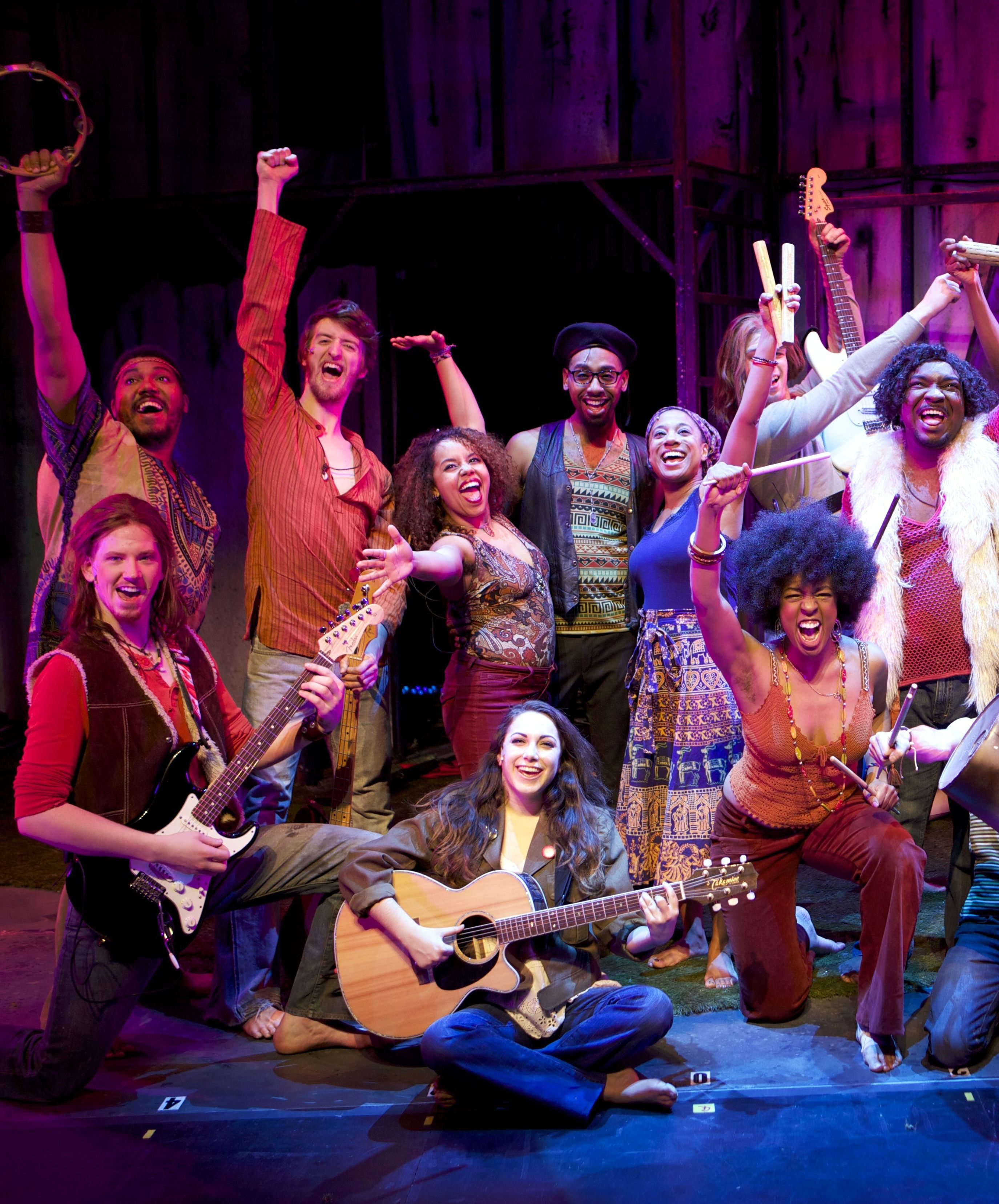
James Rado likely chose Manchester for these reasons to enhance the song’s themes and symbolism. “Manchester; England” delves into themes of identity and self-discovery. The lyrics express a desire to uncover personal truths and find one’s authentic self. The line “Find my reflection / In the looking glass” conveys the search for self-awareness and the journey to understand one’s place in the world.
Why is “Hair” considered an anthem for the counterculture movement?
Taylor Swift – Now That We Don't Talk (Taylor's Version) [From The Vault] - Genius
Taylor Swift – Now That We Don't Talk (Taylor's Version) [From The Vault].
Posted: Mon, 25 Sep 2023 06:35:18 GMT [source]
Choreography by Ashleigh King beautifully augments the music and voices. It utilizes lifts and turns to use vertical space as well as every nook and cranny on the small stage. The cast moves fluidly through the audience, sometimes interacting with the audience and causing a deliberate awkward discomfort. After a black-out, the tribe enters worshiping in an attempt to summon Claude ("Oh Great God of Power"). Claude returns from the induction center, and tribe members act out an imagined conversation from Claude's draft interview, with Hud saying "the draft is white people sending black people to make war on the yellow people to defend the land they stole from the red people". Claude gives Woof a Mick Jagger poster, and Woof is excited about the gift, as he has said he's hung up on Jagger.
Hair: Original Soundtrack Recording
He declares himself "president of the United States of Love" ("Colored Spade"). In a fake English accent, Claude says that he is "the most beautiful beast in the forest" from "Manchester, England". A tribe member reminds him that he's really from Flushing, New York ("Manchester England"). Hud, Woof and Berger declare what color they are ("I'm Black"), while Claude says that he's "invisible". Four African-American tribe members recite street signs in symbolic sequence ("Dead End"). The band taped the TV special in San Francisco on January 5, 1969.
Chloe or Sam or Sophia or Marcus Lyrics
"And then she wrote hеadlinesIn the local paper, laughing at each baby step I'd take." As for The 1975's other songs that may trace back to the "Shake It Off" artist? Internet sleuths are pointing to the 2016 song "She's American" and the 2013 song "fallingforyou," in which Matty sings, "I'm so excited for the night / All we need's my bike and your enormous house / You said some day we might / When I'm closer to your height." In Nazareth’s 1975 hit “Hair of the Dog,” Dan McCafferty wasn’t singing about a morning-after drink to help cure a hangover.
Eilish had brought back her colorful strands by the time she performed at Lollapalooza in August 2023.
Three white women of the tribe tell why they like "Black Boys" ("black boys are delicious ..."), and three black women of the tribe, dressed like The Supremes, explain why they like "White Boys" ("white boys are so pretty ..."). “Hair” helped to define the counterculture movement of the late 1960s and early 1970s. The song and the musical inspired a generation of young people to challenge mainstream society’s expectations and to embrace a more progressive and inclusive worldview. The Scottish expression “hair of the dog that bit you” was based on a superstition that claimed if one applied the hair of the rabid animal that attacked them it would help in the healing process.
The song touches upon themes of anti-establishment, peace, love, and freedom – key values embraced by the counterculture movement. With its rebellious spirit and celebration of individuality, “Hair” became an emblematic representation of the movement’s goals and aspirations. “Hair” is a song that resonated deeply with the counterculture movement of the 1960s. It captured the spirit of rebellion and the desire for individuality that was prominent during that time.
Toward the end of the year, the musician tried a different neutral color.
Even today, “Hair” continues to resonate with audiences by reminding them of the importance of embracing their true selves and celebrating their unique qualities. Through its timeless message of self-acceptance and nonconformity, the song encourages listeners to question societal norms and to live authentically. Its themes of freedom, peace, and love remain relevant and continue to inspire individuals to embrace their individuality.
Production design

These included a life-size papier-mâché bus driver, the head of Jesus, and a neon marquee of the Waverly movie theater in Greenwich Village.[99] Potts' costumes were based on hippie street clothes, made more theatrical with enhanced color and texture. Some of these included mixed parts of military uniforms, bell bottom jeans with Ukrainian embroidery, tie dyed T-shirts and a red white and blue fringed coat.[99] Early productions were primarily reproductions of this basic design. Hair, the iconic musical that influenced an entire generation, offers a captivating mix of social commentary, rebellion, and self-discovery. Within this groundbreaking production, the song “Hair” serves as a powerful anthem that encapsulates the sentiments and ideals of the era. Written by Donnie Dacus, the track explores themes of freedom, identity, and the unique power of hair as a symbol of individuality.
In a show like HAIR with an on-stage band, a large cast, and so many key lyrics to comprehend, quality sound is critical. The nine-piece band led by music director Angie Benson is tight and propulsive – they are a significant part of why the production is so successful. In September 1968, after their summer tour, the Cowsill family relocated to the West Coast, into a house in Santa Monica. Not long after their arrival, a package came in the mail from none other than TV comedy legend Carl Reiner. “Hair” is often regarded as an anthem for the counterculture movement because it encapsulates the sentiments and ideals of that era.
“Manchester; England” contributed to the cultural and musical revolution sparked by the musical “Hair.” It challenged traditional songwriting conventions and showcased the power of lyrical storytelling, paving the way for more introspective and meaningful compositions. Manchester holds cultural significance, particularly in music history. It represents a place of rich artistic expression and serves as a metaphor for finding one’s roots and cultural heritage.
Nazareth’s “Hair of the Dog” was about a woman who had taken advantage of men—until she met her match. Originally, the band wanted to use “Son of a Bitch” as the album title but their label pushed back on it. In response, they thought up “Heir of the Dog,” to reference the manipulative woman in the song, before compromising on “Hair of the Dog.” In the song, McCafferty made it clear that he won’t be used. “Manchester; England” is considered a timeless piece of music because its themes and emotions transcend time and generation. The song’s lyrical depth and musicality make it relatable and enduring, resonating with listeners across different eras.
It encourages listeners to break free from societal expectations and embrace their individuality, whether through their physical appearance or their beliefs and values. The Cowsills were known for their distinctive vocal harmonies and catchy pop songs. They were one of the first “bubblegum pop” bands and paved the way for later acts like The Partridge Family.
These vivid descriptions highlight the beauty and wonder of nature and encourage a deeper connection to the world around us. As I reflect on the meaning behind “Hair,” it brings back memories of my own experiences during my teenage years. It was a time when I too sought to assert my individuality and find my place in the world.



No comments:
Post a Comment